Verdi Requiem: Preview
29th January 2026 - Thomas Dowdeswell
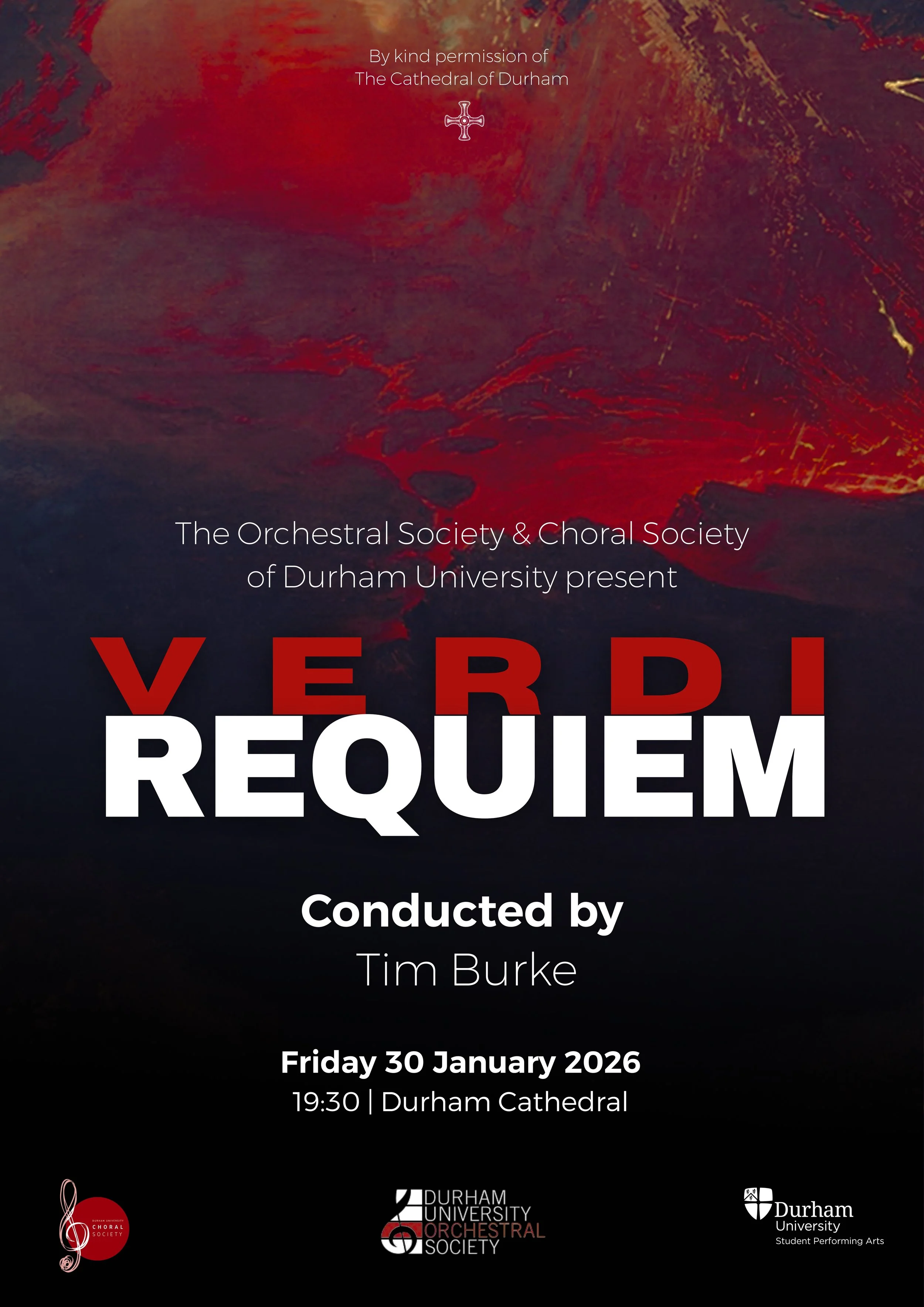
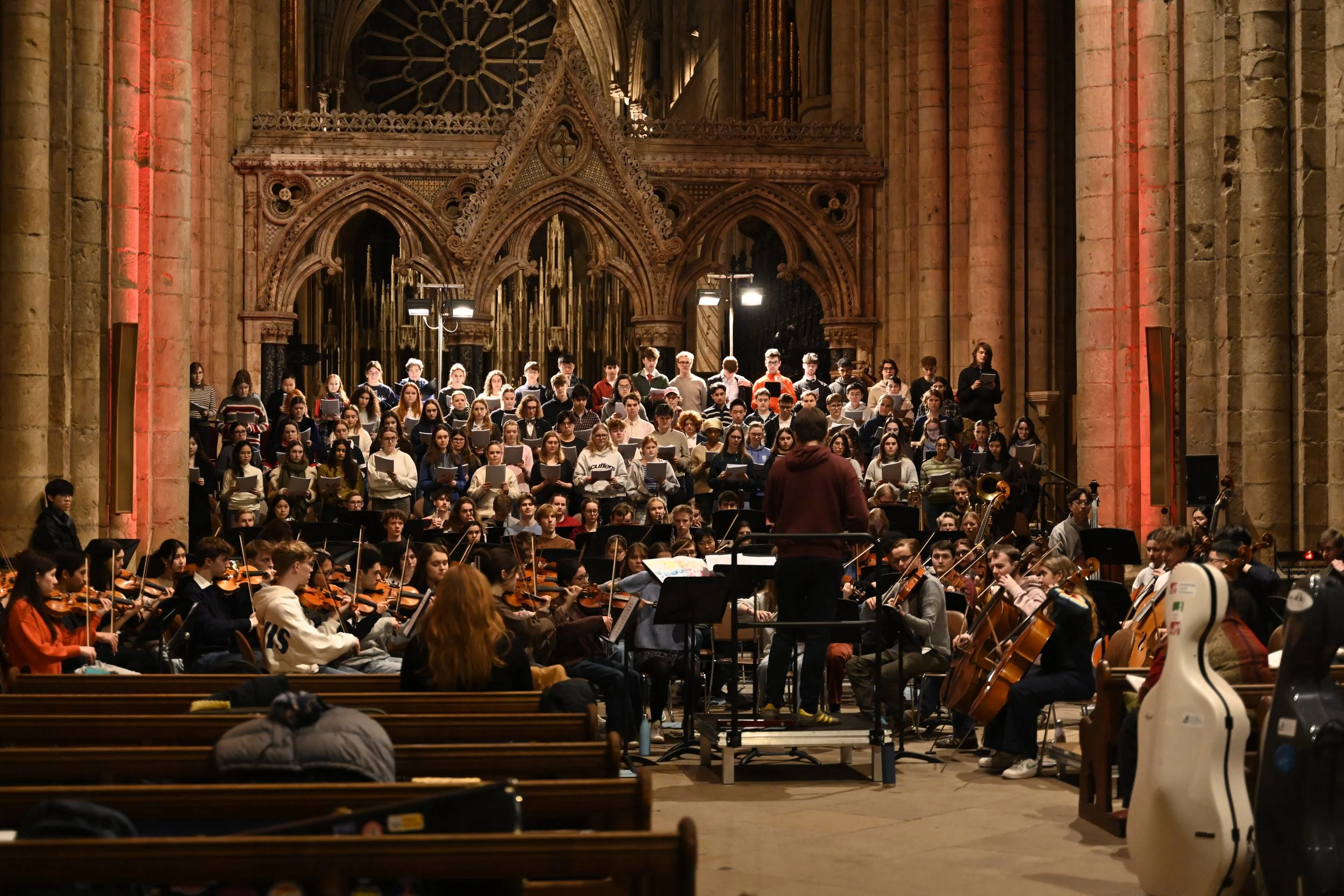
Verdi’s Requiem is one of the most frequently performed non-operatic works in the repertoire. With its sweeping drama and operatic soul, it is considered too ferocious a piece to be performed in a liturgical setting, perhaps ironic given the performance is to be in the nave of Durham Cathedral. This setting deepens the meaning of the Requiem, not just for the audience, but for the musicians of the Durham University Orchestral Society (DUOS) and Durham University Choral Society (DUCS) in their most recent collaboration. This was certainly evident in the rehearsal on Thursday (29th January 2026). Of the few words Tim Burke, the principal conductor of DUCS, spoke before the rehearsal commenced, he mentioned treating Thursday as a performance just the same as Friday, and they certainly delivered. Frequently, the sheer volume and quality of the sound being produced brought me to the edge of my seat. For a work of this scale, extremely careful curation is needed on the part of the conductor. Burke’s well-crafted artistic choices made for a unified vision, and although in one or two places the tempo was slower than the majority of recordings, the shape and artistic direction through the music counteracted this, which made up for the more languid pace.
Being an in-demand conductor in the North-East, Burke has conducted in a number of Cathedrals, most recently taking charge of Orchestra North East in Newcastle Cathedral. He has also conducted numerous operas, including Verdi’s La Traviata - this is perhaps one of the reasons Thursday’s rehearsal had a such a sense of lyrical tenderness to it. Whilst the gigantic acoustic of Durham Cathedral takes no prisoners in this sort of music, I found that Burke’s interpretation ticked almost every one of the right boxes and made for a very amenable listening experience even from the very back of the nave. His treatment of tempi, particularly ritenuto, was particularly compelling, contributing further to the heartfelt atmosphere.
Photography: Matthew Prior
The soloists programmed for Friday’s performance all shone throughout the work – Verdi writes in such a way that there is ample opportunity to hear them, particularly as a result of their positioning on staging in front of the orchestra and choir. One voice I found particularly compelling was the bass soloist Graeme Danby’s assured and silky tone that really carried forth the deep meaning of parts of the text.
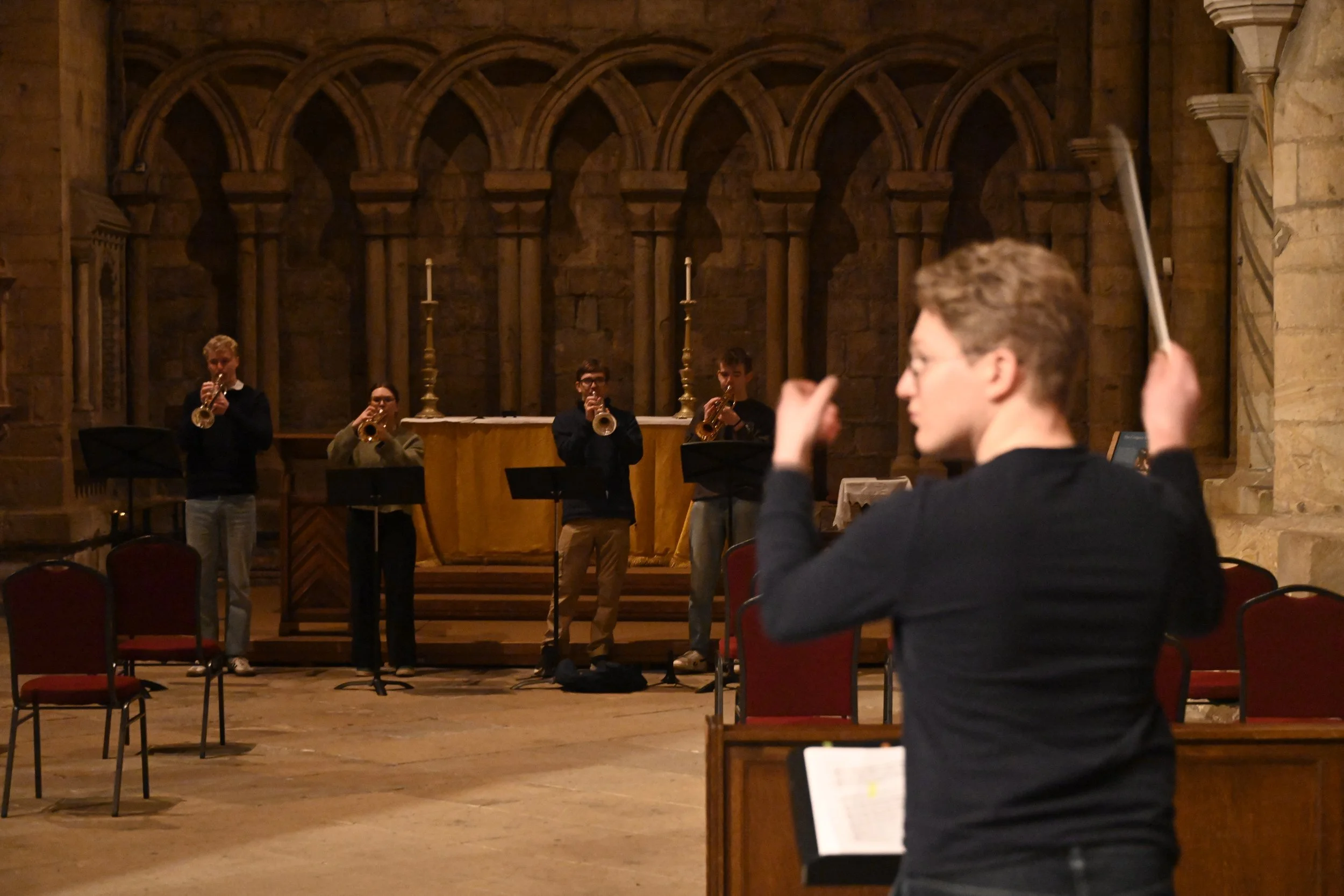
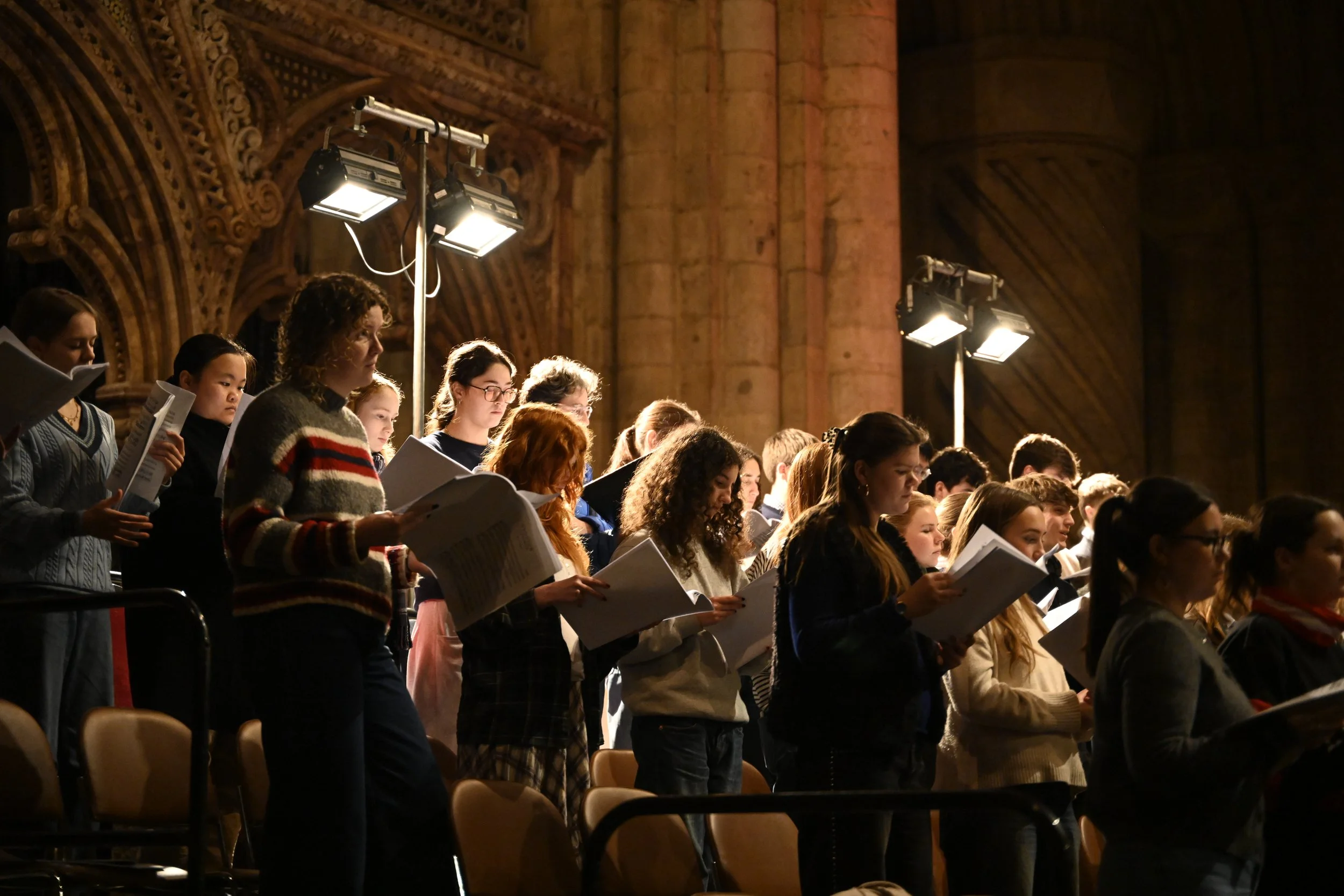
From the outset of the Requiem, the ghostly quiet cellos sang out, lamenting in solitude and soon joined by the remainder of the strings. The sight of a complete complement of the singers in DUCS was impressive in scale, and you begin to wonder as you settle down whether the difficult task of making text intelligible at pianissimo is within the realms of possibility. From the very first entry this task was not only achieved but surpassed, retaining just enough projection to be heard over the nearly silent orchestra. DUCS’ distribution across the voice parts was also balanced to near perfection, with each entry in the numerous fugal passages being secure, clear and fervent. Their declamation in the Libera Me made for a haunting interpretation of the text. They excel in the headline louder moments such as the Dies Irae, as do the orchestra. In particular, the terrifying climax of the Tuba Mirum had indescribable force and saturated the acoustic with a fearsome beauty – the offstage brass were all I had hoped for and more.
Thanks to the satisfactory diction of DUCS, the text is never lost, but if you aren’t yet fluent in Italian and you require a translation, the glossy and stylish programme provides a complete libretto and is available to purchase. Its decadence alone nearly warrants the admission price, let alone the concert itself! However for those wishing for a companion just to their listening, it is a little over-engineered in places. The awfully devilish red lights set a tone that didn’t always sit comfortably with Verdi’s intentions, especially as the Sanctus began to surge; a movement whose brilliance needs no theatrical underlining.
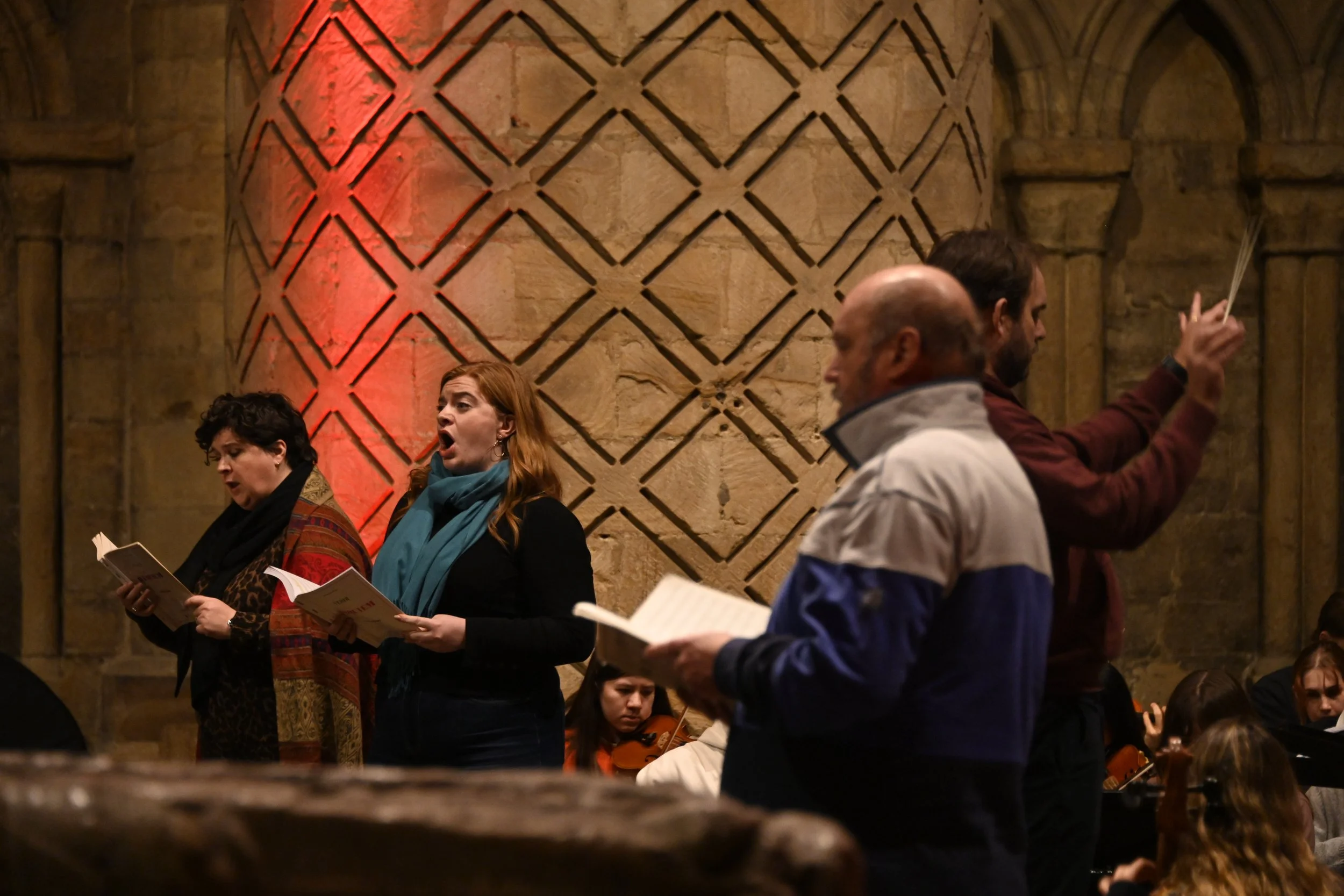
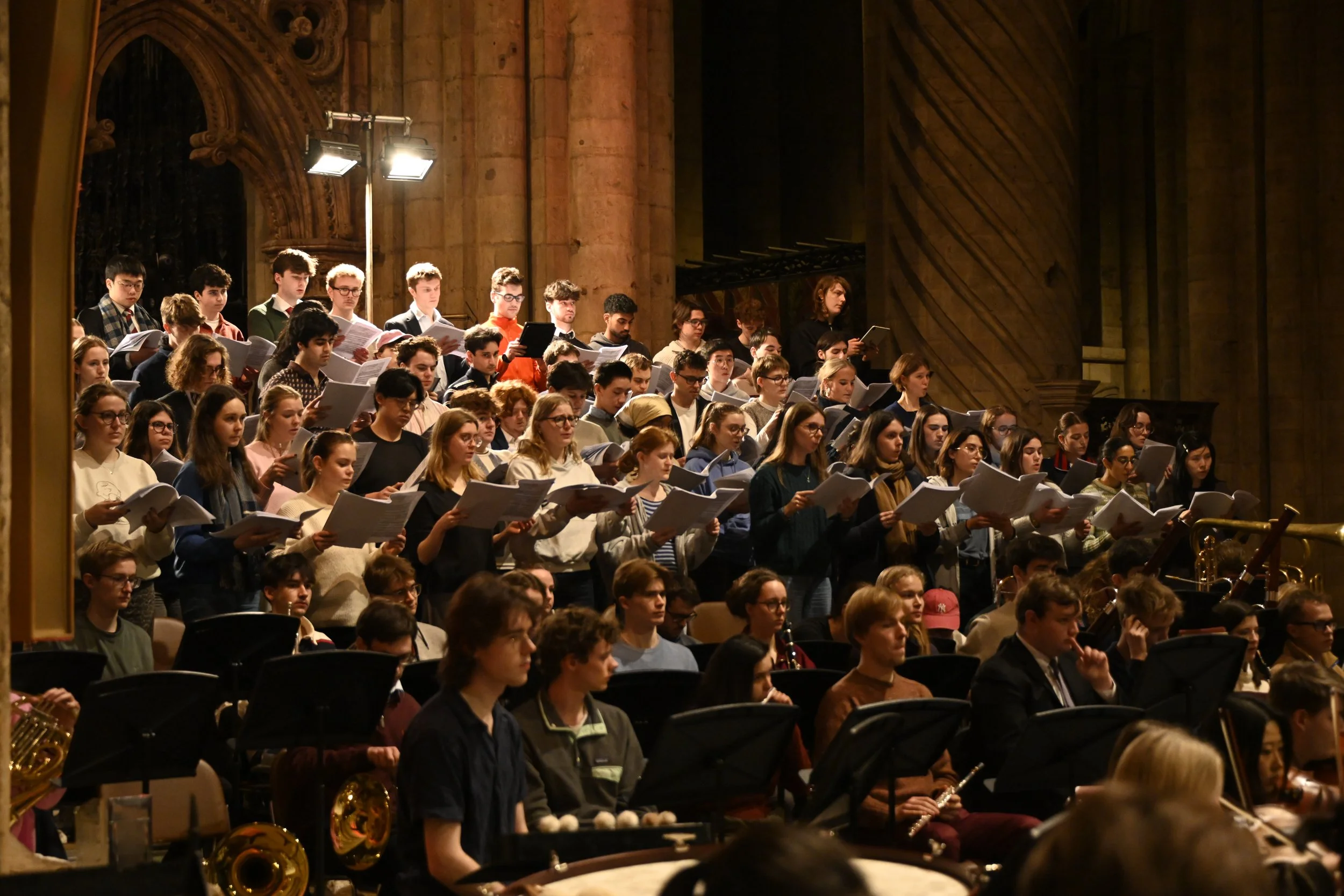
At one point in the Sanctus, I felt like I was under fire from a legion of Roman archers with the rogue s consonant raining down upon me left, right and centre. It must be said though, Burke and Michael Kohn (DUOS Symphony Orchestra conductor, who has been acting as Burke’s assistant during the project) quickly rectified this, and on the second running of it, the attentive musicians had swept this issue firmly under the flagstones. Whilst on the flagstones, I am sure I felt them tremble underneath the bare pews from the pure power of combined brass. Most powerful of all though was the delicate fragility of the strings. Having been ravished by the transcendence of the final deliverance, a sumptuous descent to total peace ensued from them, helped along by the choir competing for the gold medal in producing the most unified but quiet sound – I shall leave it to you to decide who takes this title. The length of the final chord was well judged (especially when kindly considering the poor oboists who I sometimes find orchestrated slightly out of place for chords as quiet as Verdi suggests here - ppp and dying away further). The oboe department coped well though, as did the trumpets in this final moment.
As I closed my eyes for this last statement of the desire for freedom, the very edges of time were softened. Tonight will undoubtedly be another chance to step inside that quiet miracle. With a full audience, one can only hope that the silence will be as absorbing as it was on Thursday, when the congregation of departed souls seemed to pause and look down on the musicians, spellbound. I am incredibly confident that this evening will be another gathering of a community, no matter how far-flung, stitched together by sound, silence and shared wonder. I’d urge anyone who can to be there and add their presence to that quietly remarkable collective.
Thomas Dowdeswell (Photography by Matthew Prior)
This is now a past event.
Please note that this preview is operating a pilot for student writing opportunities within Durham Student Music. All relevant terms and agreement has been reached with both societies.
Any feedback on the pilot can be sent to:
student.music@durham.ac.uk
Thank you in advance for your interest in this pilot.